

Why the Right to Happiness is a Form of Resistance and How the Experience of Ukrainian Veterans is Changing the Global Perception of War
This year, within the framework of the Venice Biennale, the PinchukArtCentre presents a special project – Still Joy. This is not just an artistic exposition, but a powerful statement about the strength of the human spirit, born at the edge of life and death. The project, curated by Björn Geldof and Oleksandra Pohribniak, brings together the voices of Ukrainian veterans, contemporary domestic artists, and renowned international artists, and is set to become one of the most discussed events of the forum. We spoke with Björn Geldof about how “sweet architecture” and soldiers’ memories help the world to experience Ukraine anew.
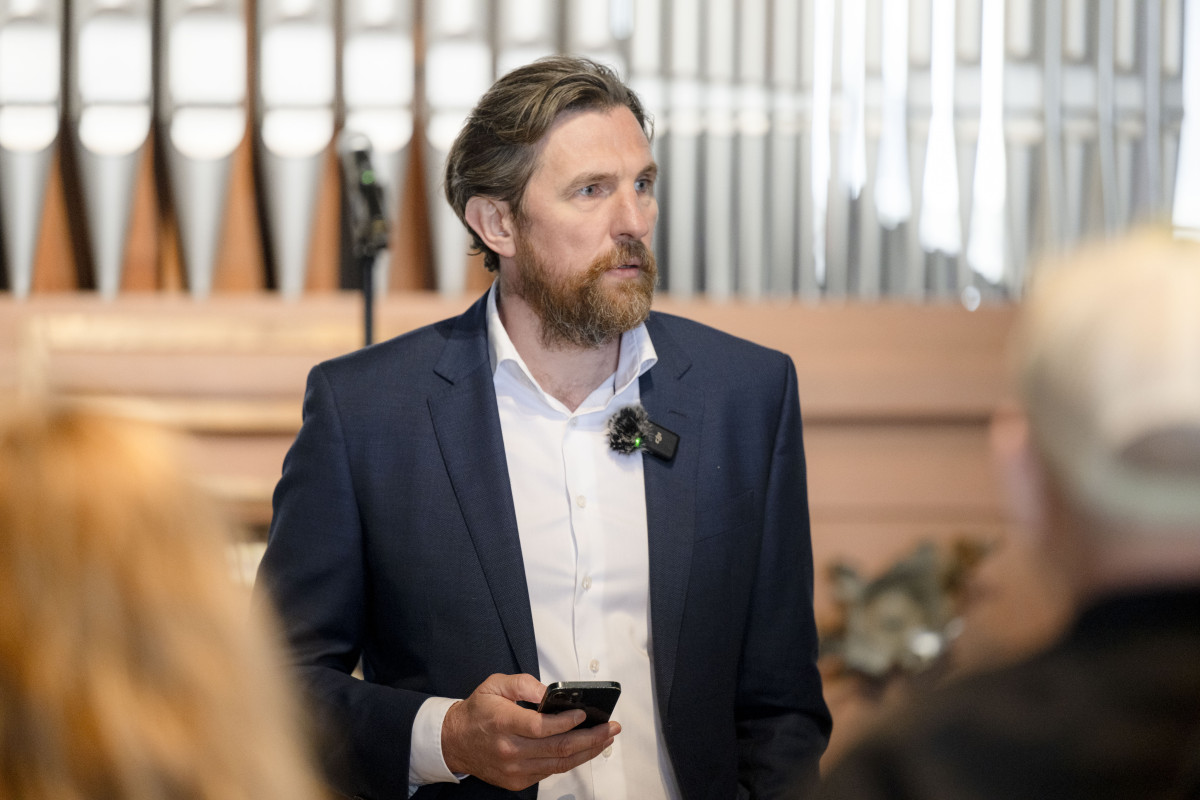
Björn Geldof
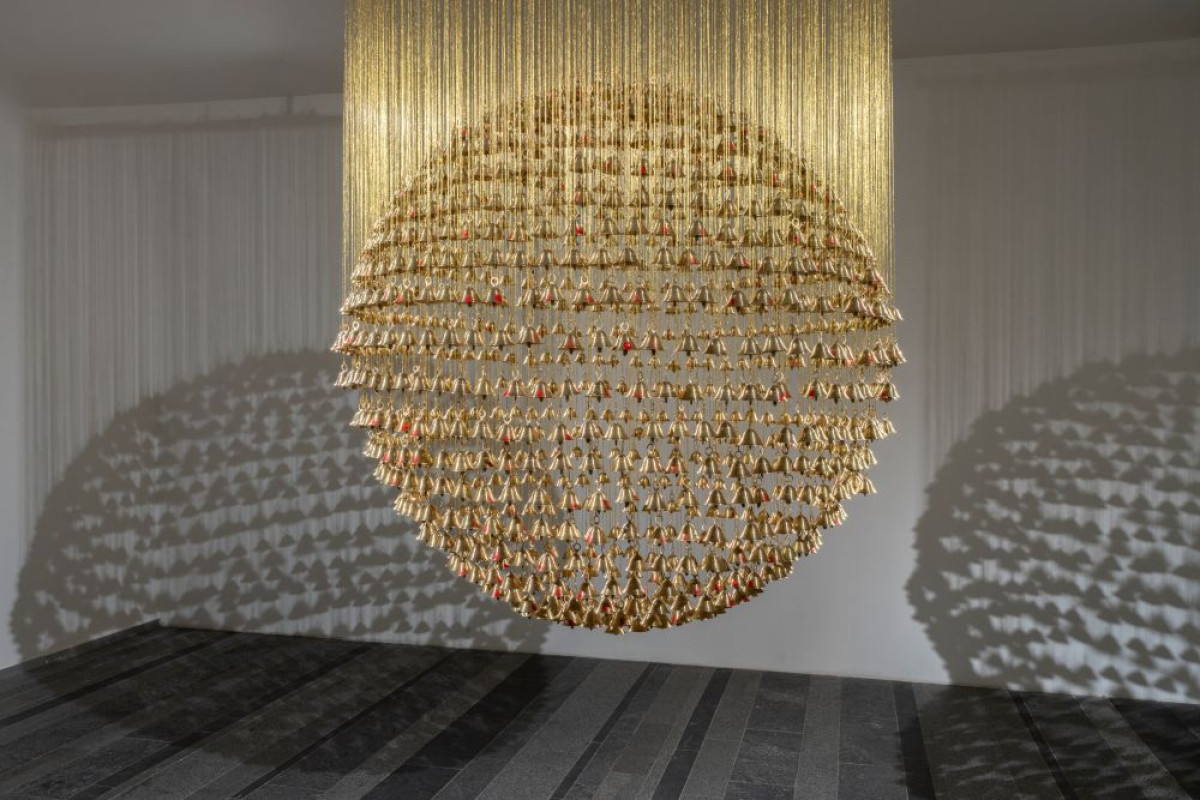
Ashfika Rahman, “Than Para – No Land Without Us,” 2025 – present. “Joy,” 2026. PinchukArtCentre. Photo: Ela Bialkowska, OKNO Studio
ELLE: The Still Joy project presents Ukraine to the world within the framework of the Venice Biennale. Why, in your opinion, is it important to showcase Ukraine through such a specific lens – through the prism of “resilient joy”? What does this perspective mean to you personally, and why is this particular story relevant now?
BJÖRN GELDHOF: I believe it is extremely important today to shift the focus through which Europeans and the Western world, in general, view Ukraine. There are many wars ongoing in the world, and this means we need to talk about ourselves differently. We wanted to emphasize that Ukraine has something to offer the world, and joy is one of those things. We cannot perceive Ukraine solely as a victim or as a country exclusively defending itself. It is also a place where much joy resides. Even if we don’t always speak about it aloud, this joy is what unites many Ukrainians; it is what gives them the strength to keep living. In Venice, we are not talking about “simple” joy. We are talking about joy in the most challenging circumstances imaginable. The context for this joy is set by soldiers, people who have returned from captivity, and veterans. They retain the ability to feel joy, and in doing so, they give us the right to this feeling. When you bring an exhibition to Venice that balances on the edge of life and death, you reveal the same radical human act – the shared experience of joy. This is the best way to amplify Ukraine’s voice, as we allow the world to see us in a different light and establish a deeper connection.
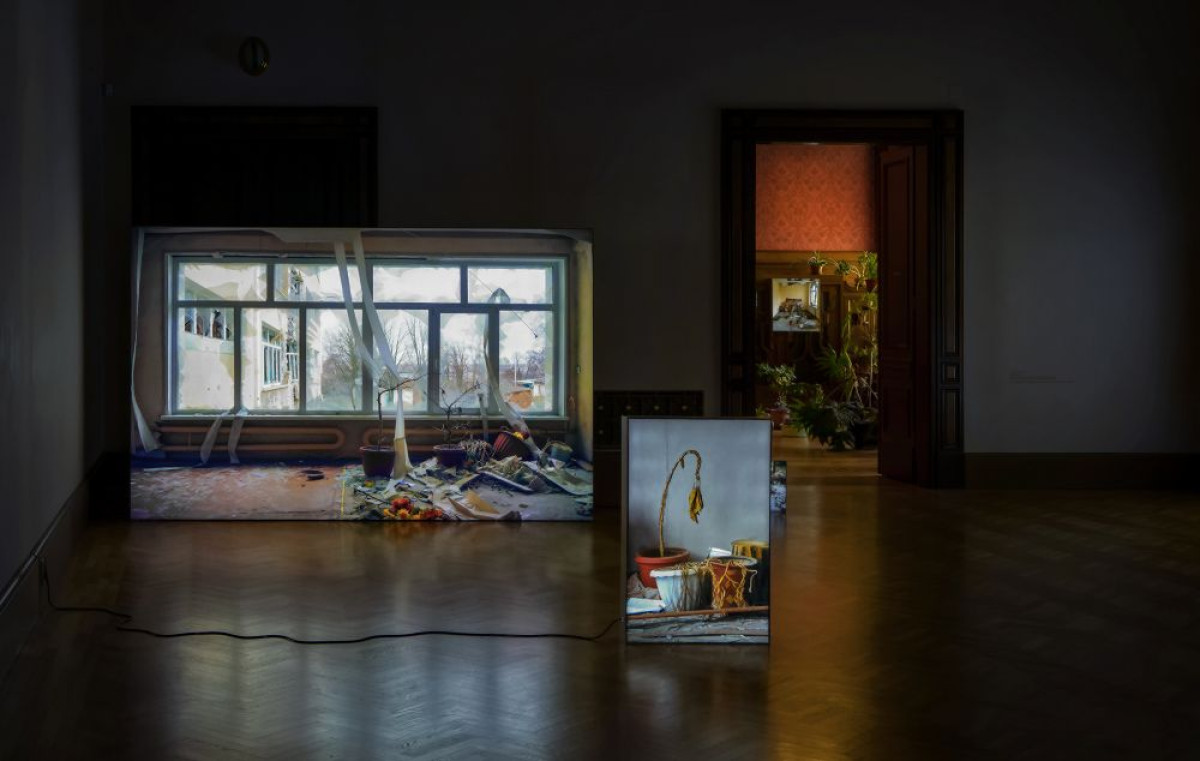
Zhanna Kadyrova, “Refugees,” 2023. Photos provided by the artist and Galerie Rudolfinum
ELLE: Organizing an exhibition during the war in Ukraine is no easy task. What were the biggest challenges or problems during the transportation and preparation of works for Venice?
B.G.: Our team consists of true professionals, and I cannot say that we have encountered any insurmountable difficulties right now. Since the beginning of the full-scale invasion, we have managed to implement numerous projects both in Ukraine and abroad. This experience has equipped us with the necessary competencies to overcome any challenges. Therefore, at this moment, organizational difficulties do not seem greater than those we have dealt with previously.
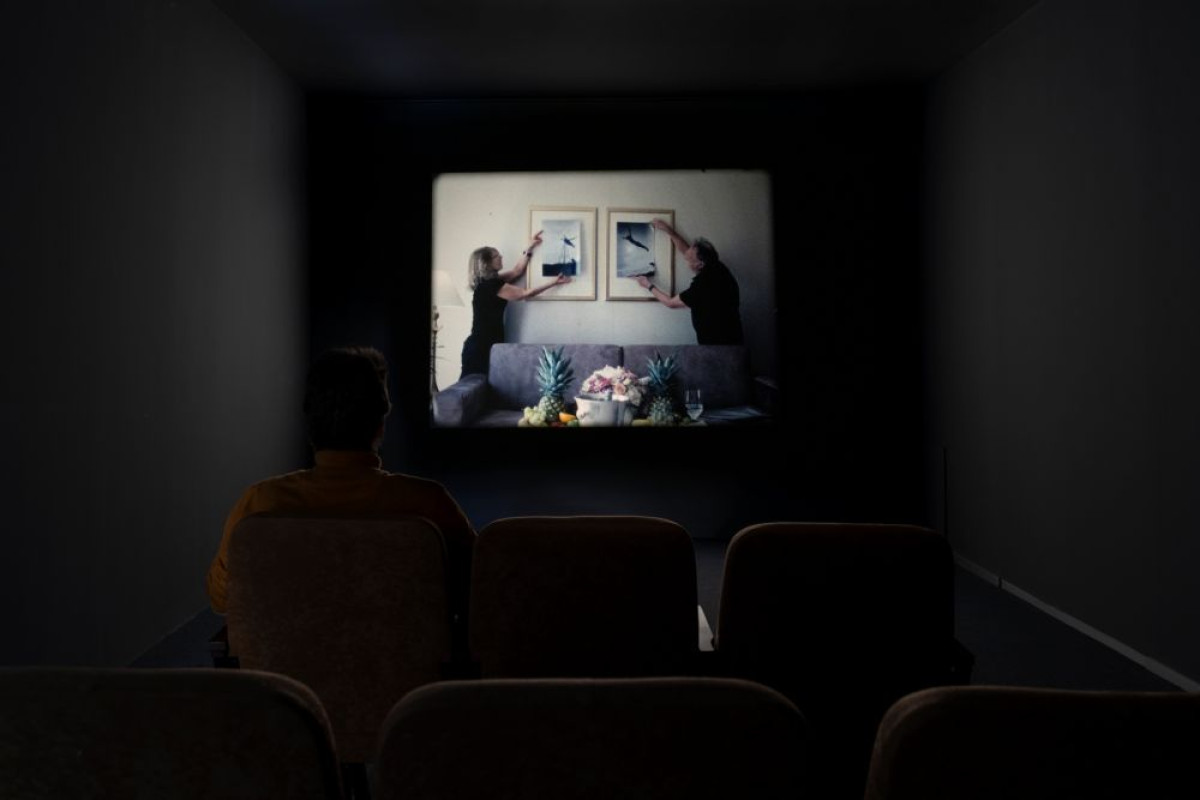
Tacita Dean, “If I Were in the Adlon,” 2025. “Joy,” 2026. PinchukArtCentre. Photo: Ela Bialkowska, OKNO Studio
ELLE: The key figures of the project are Hlib Stryzko and Nataliia Humeniuk. How did their stories influence the exhibition’s concept?
B.G.: In fact, we had some discussions with Nataliia Humeniuk, but ultimately decided to move in a slightly different direction. The foundation was laid by the stories collected by Hlib Stryzko. We asked him to question his friends – soldiers, former prisoners of war, veterans – about what joy means to them.
It was precisely these narratives that became the starting point. We gave these testimonies the same weight as the artworks. In the exhibition space, they have a physical embodiment thanks to the Ukrainian artist and architect Bohdana Kosmina, who gave these stories a visual form. My co-curator Oleksandra Pohribniak and I were convinced: it is not for us to define what joy is. This right belongs to the warriors and veterans, as they give the most. Based on their definitions, we built the entire exhibition.
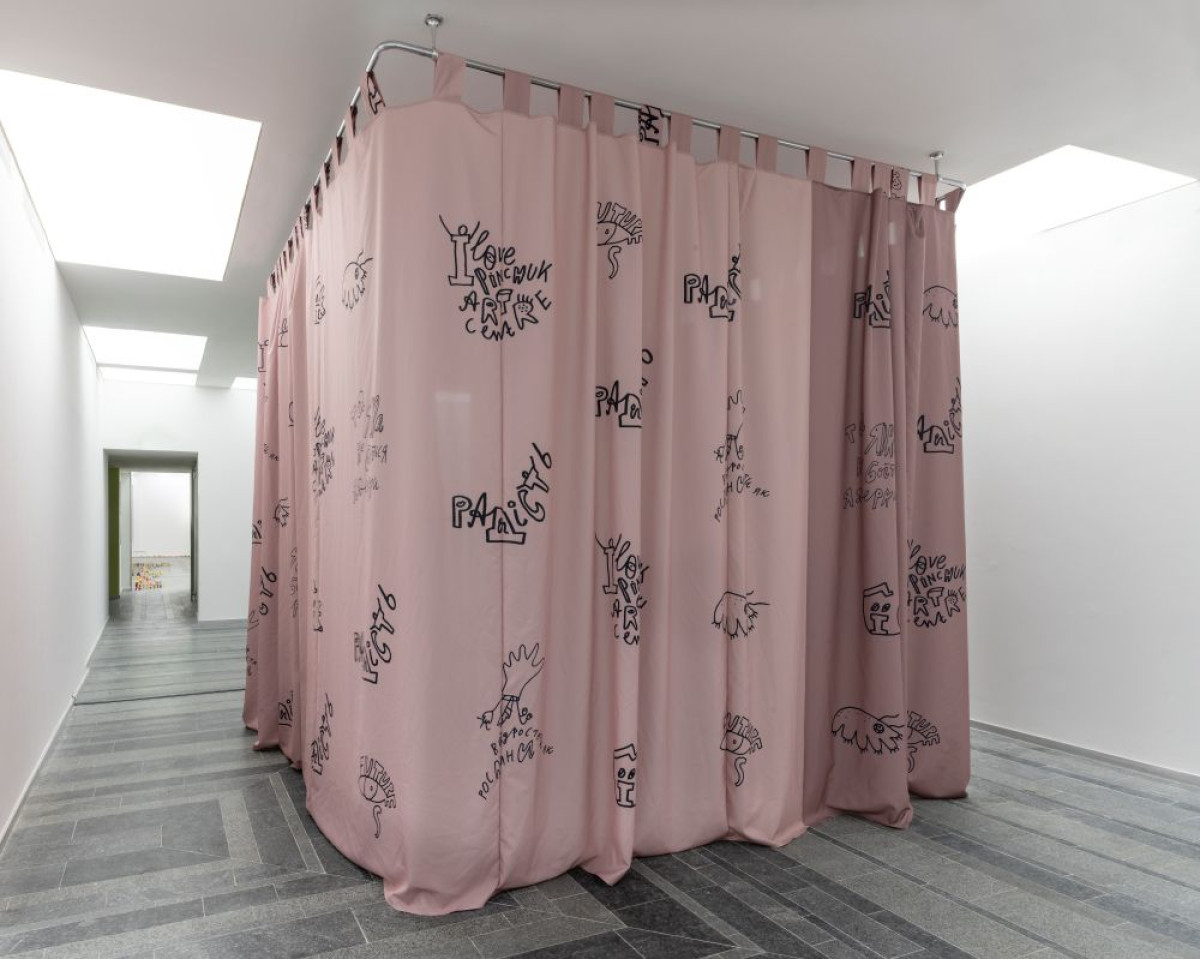
Alevtina Kakhidze, “Joy,” 2026. “Joy,” 2026. PinchukArtCentre. Photo: Ela Bialkowska, OKNO Studio
ELLE: How did you manage to establish a dialogue between Ukrainian and renowned foreign artists in one space?
B.G.: Our guiding principle, as I’ve already mentioned, was the soldiers’ quotes. The exhibition is a conversation that opens up between different perspectives: the words of the military, the works of international and Ukrainian artists. The common denominator is that the capacity for joy is inherent in everyone, regardless of where you are.
However, we do not interpret joy superficially. We look at it as soldiers do – as a complex, multifaceted phenomenon. Joy can be sad, it can border on loss, or it can be deeply spiritual. When we began working with the artists, they also delved into these complex meanings. Foreign artists, like the Ukrainian ones, reacted very keenly to this theme, making it a part of their works.
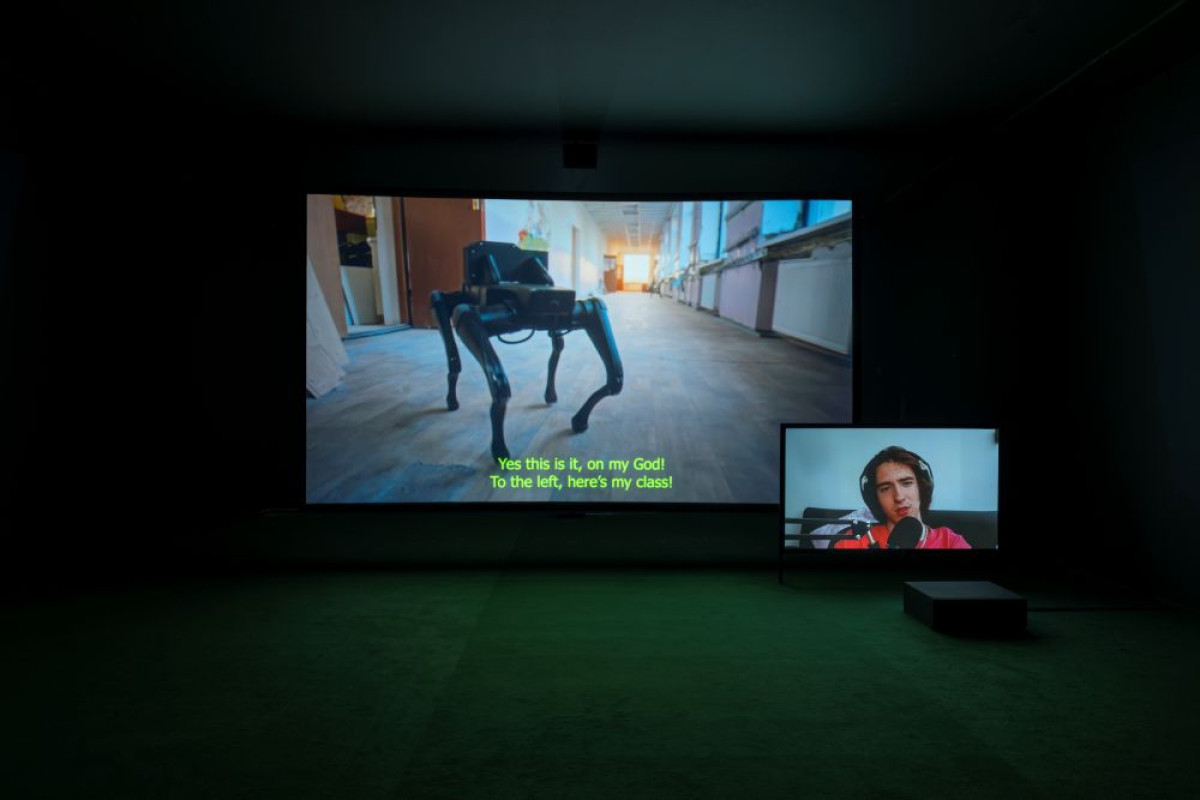
Roman Khimiy and Yarema Malashchuk, “Open World,” 2025, two-channel video. “Joy,” 2026. PinchukArtCentre. Photo: Ela Bialkowska, OKNO Studio
ELLE: Simone Post’s installation looks very unexpected – a kind of “sweet architecture” in an old room. Why did she use candy specifically? It seems like it will be one of the most attractive pieces in the exhibition.
B.G.: It is indeed an amazing work. Simone creates a new reality using sweets as a building material. This artwork speaks about our lost ability to feel free, like children, about that lost innocence in perceiving the world. In the Kyiv section of the exhibition, we start with the question “What is joy?” and suggest that it might be hidden. But Simone Post’s work is unbridled joy. She recreates her childhood apartment, entirely made of sweets. It’s a memory, but at the same time, there’s something “wrong” about it. This is the kind of joy we sometimes forbid ourselves because it contradicts our ideas about what is appropriate to feel during wartime. Simone points precisely to this loss of radical freedom in experiencing the world. I hope that by passing through this installation, people will rediscover this sincere, almost childlike joy within themselves, which is worth sharing every day.
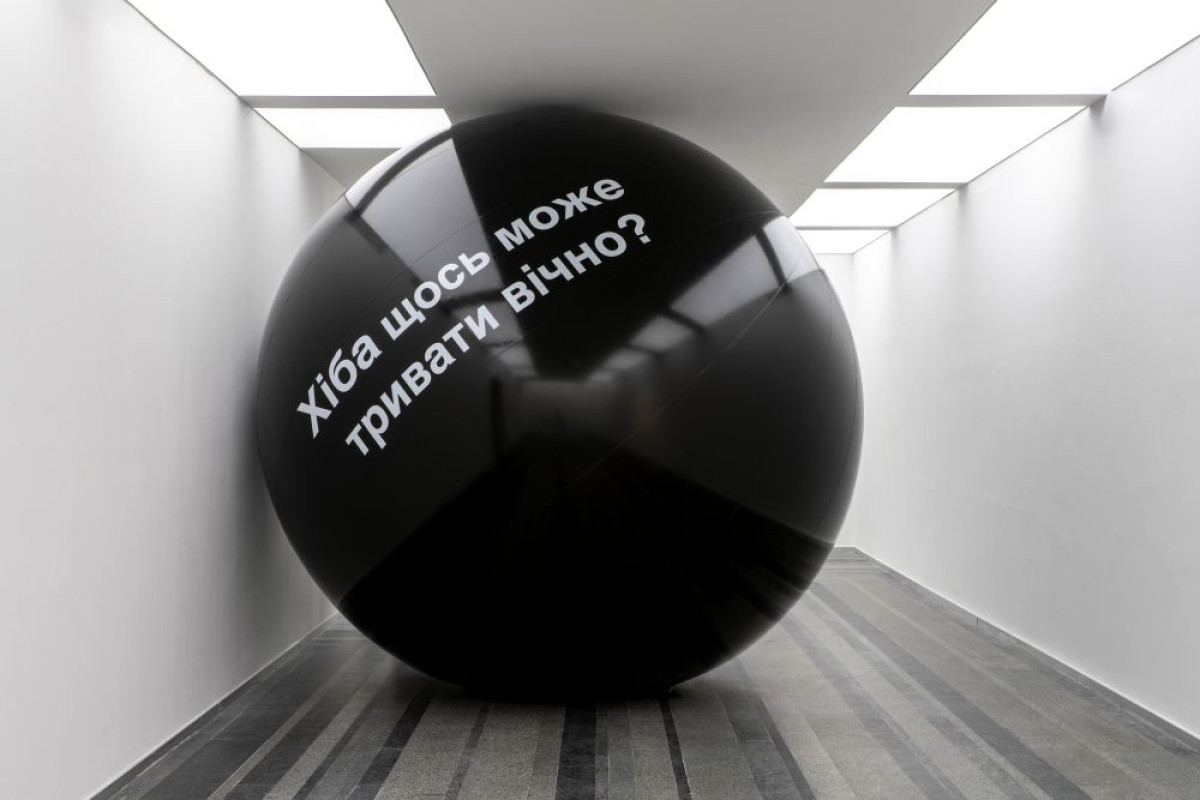
Ryan Gander, “Can Anything Last Forever,” 2026. “Joy,” 2026. PinchukArtCentre. Photo: Ela Bialkowska, OKNO Studio
ELLE: The exhibition subtitle is “From Ukraine to the World.” How can people from other countries understand this specific Ukrainian feeling of joy in such times?
B.G.: Completely – they can’t. And we are not aiming for them to understand it in its entirety. When Hlib talks about his experience, a foreigner cannot feel it in the same way, and that’s okay. We don’t need them to understand everything identically to Ukrainians. We need to share our joy.
The title Still Joy has three dimensions: Joy that endures: despite the war, it still exists. Quiet joy (Still): it may be subdued, but it is present. Unwavering joy: the kind that cannot be suppressed under any circumstances. For the West, this is a provocation to some extent: we are saying that it is normal to feel joy, even when the world around is burning. In the West, people often lack this “emancipation of joy”; they feel constrained by global crises. Our message is: joy is not separate from trauma or difficulties. It lives within them. By sharing it, we establish a genuine connection.
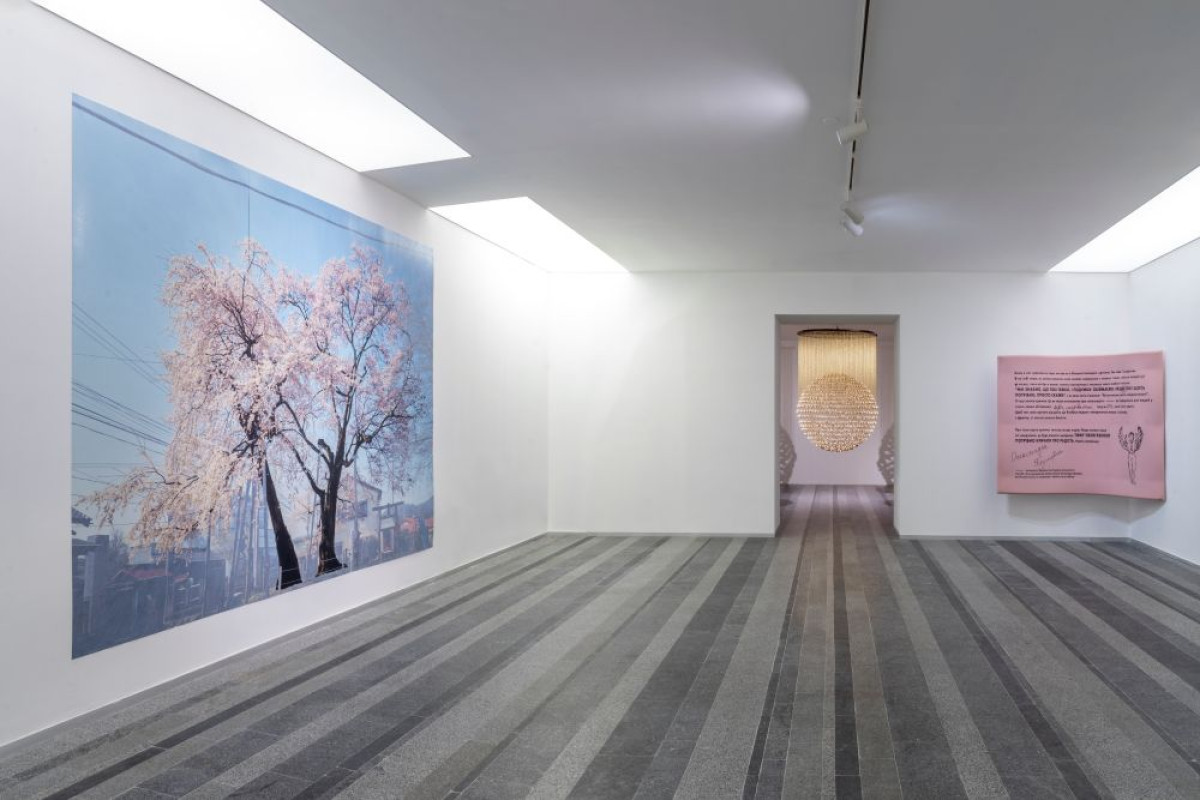
Tacita Dean, “Sakura (The Mukogawa Twins),” 2025. Ashfika Rahman, “Than Para – No Land Without Us,” 2025 – present. “Joy,” 2026. PinchukArtCentre. Photo: Ela Bialkowska, OKNO Studio
ELLE: You have been working with Ukrainian art for a long time. In your opinion, does the world see contemporary Ukrainian art as an independent, powerful school, or only as a reaction to the war?
B.G.: In the West, Ukrainian art is increasingly appreciated for its depth. Of course, it is difficult now to consider it separately from the context of the war, and this is natural, as art is created here and now. But it is also a way to assert Ukraine as a strong, independent cultural subject with incredible potential. Ukrainian artists today are ambassadors of their country. They demonstrate that even after years of full-scale war, Ukrainians are capable of thinking and acting critically. This is a testament to the incredible strength and vitality of the democratic values embodied in Ukrainian art. Presenting it on a global level is extremely important.
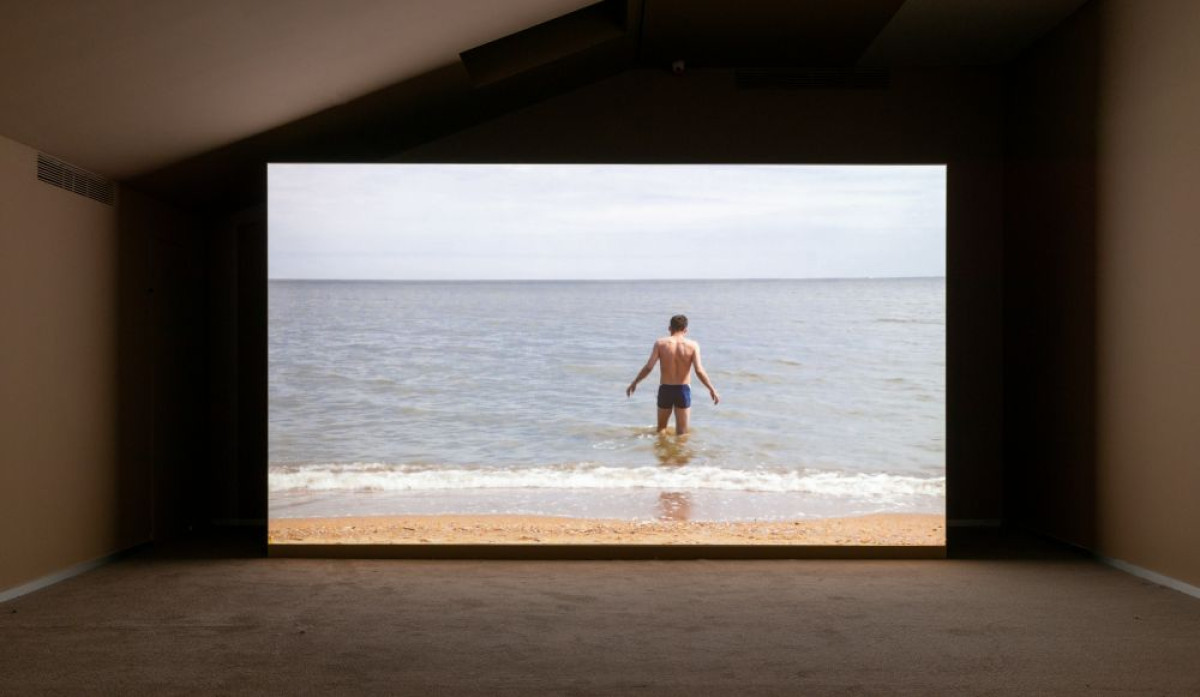
Piotr Armyanovsky, “Me and Mariupol,” 2017. ©
Photo: Serhiy Illin
За даними порталу: elle.ua