

If the Strait of Hormuz blockade continues until August, it could plunge the global economy into a recession comparable to the 2008 global financial crisis.
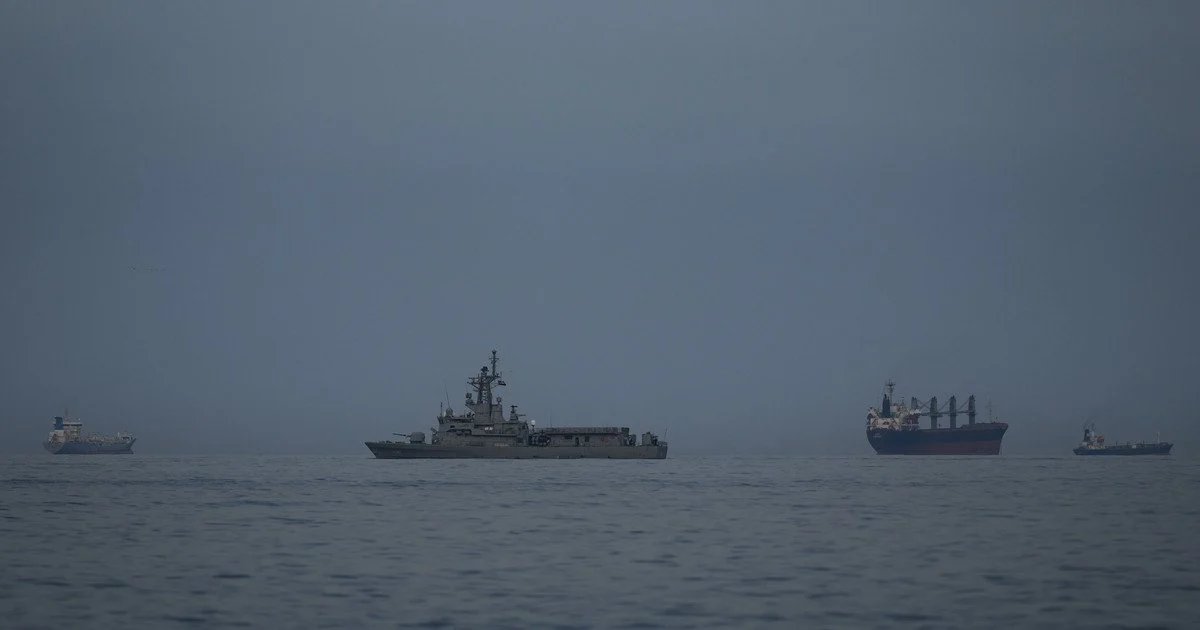
Strait of Hormuz / © Associated Press
A prolonged closure of the Strait of Hormuz due to the conflict between the US, Israel, and Iran could trigger a global economic downturn similar in scale to the 2008 crisis.
This is reported by Bloomberg, citing a forecast from the consulting firm Rapidan Energy Group.
In a baseline scenario, Brent crude prices could surge to nearly $130 per barrel this summer.
Should disruptions persist through August or beyond, a more significant drop in demand might be necessary to offset supply losses. The company estimates such a scenario could lead to a 2026 annual reduction in global oil consumption.
Rapidan analysts note that oil prices have nearly doubled since late February amid escalating tensions between the US, Israel, and Iran. This has amplified concerns about a simultaneous acceleration of inflation and a slowdown in the global economy.
The current macroeconomic climate is less critical than during the oil shocks of the 1970s or the 2007-2008 financial crisis, as economies have become less reliant on oil and central banks possess more robust monetary mechanisms, according to Rapidan. However, analysts warn that further increases in oil prices could deepen financial and macroeconomic risks.
If the strait remains blocked until August, the global market could face a supply deficit of around 6 million barrels per day in the third quarter. Even if shipping resumes in early August, the market is expected to remain tight until September due to low oil reserves and a gradual recovery in exports from Persian Gulf nations.
Strait of Hormuz Situation – Latest News
Amidst the Middle East conflict that began in late February following US and Israeli strikes on Iran, shipping through the Strait of Hormuz has virtually ceased. Iranian forces have attacked several vessels, which they claim ignored warnings to pass, and Tehran has threatened to block ships from countries supporting the “aggression.”
The closure of the strait significantly impacts global markets. Oil and gas exporters in the Persian Gulf, including Saudi Arabia, the UAE, Bahrain, Kuwait, and Iraq, are the hardest hit, as they critically depend on this route and have virtually no viable alternatives for maritime exports. Consequently, energy supplies are sharply curtailed, increasing pressure on global markets.
Experts indicate that shipping disruptions through the Strait of Hormuz have already caused supply chain issues for oil, fertilizers, grains, and vegetable oils. This is driving prices to multi-month highs and creates risks of reduced yields for key crops like wheat and rice, potentially leading to further global food price increases in the future.
Iranian Foreign Minister Abbas Araghchi stated that the Strait of Hormuz remains open to vessels worldwide, with the exception of American and Israeli ships and tankers.
Several countries have begun negotiating with Iran to ensure safe passage for their vessels through the strait. These include Indian, Chinese, Iranian, and Pakistani ships.
On March 16, US President Donald Trump requested assistance from other nations in his military operation “Epic Fury” against Iran, conducted in conjunction with Israel. Trump believes that countries affected by Iran’s attempt to close the Strait of Hormuz should deploy warships alongside the US to keep the strait open and secure.
Comments Sort: New Old Popular Submit