

Many cat owners are convinced that their furry friends perfectly understand every word.
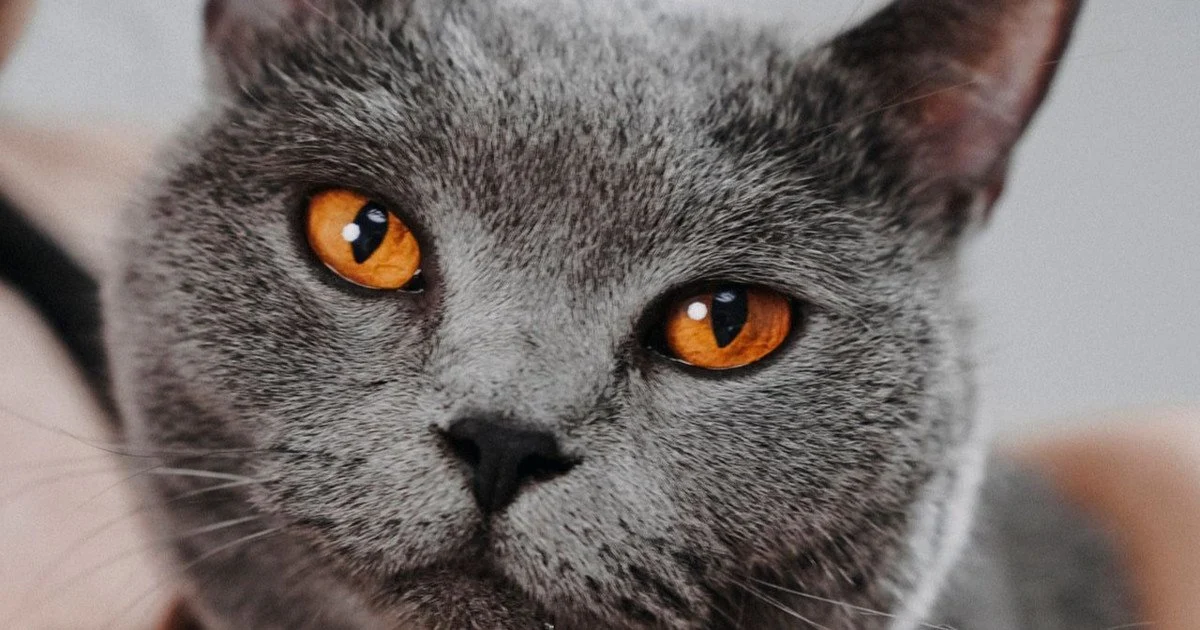
Do cats understand human language / © pexels.com
We talk to them, share our worries, praise or scold them, expecting at least some reaction. However, new research prompts a different perspective on how cats perceive human speech.
Scientists have concluded that cats do not necessarily understand human language the way humans do. At the same time, they are capable of recognizing their owner’s voice and paying attention to its intonation.
Cats Hear Not Words, But Emotions
The human brain easily distinguishes laughter, crying, shouting, or normal conversation. For cats, everything is much more complex. Scientists believe that these animals do not analyze speech by its content. Instead, they focus on other signals:
-
Voice timbre;
-
Pitch of the sound;
-
Volume;
-
Intonation;
-
Familiarity of the person.
This is why a cat might react similarly to different emotional expressions from a person if they have similar acoustic characteristics. For them, what matters more is not what you said, but how it sounded.
Why It Seems Like Your Cat Understands You
Most owners have noticed at least once that their pet comes when called by name, runs at the sound of a food bag, or reacts to certain words. This doesn’t mean the animal understands human language.
Most likely, the cat has simply learned to associate familiar sounds with specific events. For example:
-
You say the word “eat” – dinner will be soon;
-
You call their name – they are being addressed;
-
You hear the sound of the refrigerator opening – it’s time to check if there might be a tasty treat.
In other words, it’s not vocabulary that works, but associative memory.
The Owner’s Voice Matters
Despite the common myth about cats’ indifference, numerous studies show otherwise. Pets can well recognize their owner’s voice among others and can even track their movements solely by sound.
Moreover, cats behave differently when their owner addresses them specifically, using a characteristic gentle tone. They react much less to unfamiliar voices or ordinary conversations between people.
Why We Speak to Cats in a Special Voice
Interestingly, not only cats change, but humans do too. Researchers have found that when addressing a pet, most people involuntarily raise their voice, speak more slowly and emotionally – almost like they do with young children.
This particular communication method helps to better attract the animal’s attention.
Does This Mean Cats Are Indifferent to People?
Not at all.
Experts emphasize that the lack of understanding of human language does not mean a lack of affection. Cats perfectly remember their owners, get used to their voice, daily routine, and behavior. They can form a strong emotional bond with a person, although they don’t display it as openly as dogs do.
So, if your cat sometimes ignores requests or doesn’t come when called, it doesn’t mean they don’t love you. Most likely, they simply don’t see a sufficient reason to interrupt their important cat business.
FAQ
Do cats understand human language?
No, current research indicates that cats do not understand the meaning of human language the way humans do. However, they can memorize individual words, their name, intonation, and associate them with specific events or actions of the owner.
Do cats recognize their owner’s voice?
Yes. Scientific experiments have shown that domestic cats can distinguish their owner’s voice from the voices of other people. They react more actively when a familiar person addresses them directly, especially in a gentle tone.
Comments Sort: New Old Popular Send