

In summer, food spoils faster than in other seasons. This is not surprising, as the heat increases the temperature not only indoors but also in the refrigerator.
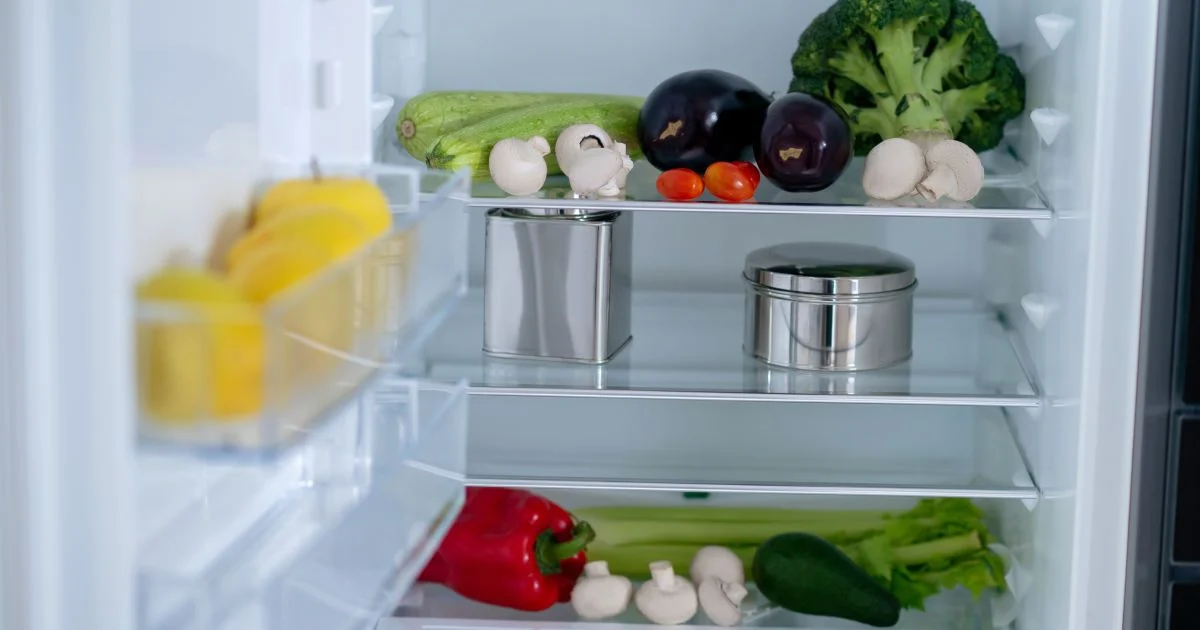
Products from the store should be put in the refrigerator as soon as possible / © Freepik
At high temperatures, bacteria multiply much faster, so even familiar food can cause food poisoning after just a few hours at room temperature.
This is reported by Food and Drug.
Experts remind about the so-called “danger zone temperature”: food should not be left at temperatures between 4 and 60 °C for more than two hours, and if the outdoor temperature exceeds 32 °C, this time is reduced to one hour.
Some dishes spoil particularly quickly in summer. High-risk groups include salads with mayonnaise, cream desserts, cream-filled pastries, raw meat, fish, seafood, milkshakes, dishes with creamy sauces, and food left in direct sunlight for extended periods. Special caution is advised with sushi, homemade pâtés, processed meats, and unrefrigerated dairy products.
Simple Hygiene Rules Can Prevent Poisoning
Even the highest quality products do not guarantee safety if basic hygiene is neglected. It is advisable to wash your hands or use a sanitizer before eating. Raw products should be kept separate from cooked ones, and any food should not be left in direct sunlight for too long. If a product has changed its smell, color, or consistency, it is best not to consume it.
Refrigerators with temperatures below +5°C, airtight containers, and frozen water bottles instead of ice help store food properly in hot weather.
Why Heat Makes Food Dangerous
Food stored under improper conditions can become a source of intestinal infection pathogens. These include salmonellosis, campylobacteriosis, listeriosis, brucellosis, infections caused by pathogenic strains of E. coli, and other diseases.
The greatest risk is posed by perishable foods: meat, poultry, fish, seafood, milk, eggs, ready-made salads, cream desserts, dishes with mayonnaise, soups, porridges, side dishes, and leftovers.
It is important to remember: if such foods have been stored with temperature violations, they cannot always be “saved” by boiling or frying. Toxins may remain in the food, which are not destroyed by heat. Therefore, the rule “boil it well and it will be safe” does not apply in these cases.
How Long Food Can Sit Without Refrigeration
Ready-to-eat meals and perishable foods should not be left unrefrigerated for more than 2 hours. If the air temperature is above 30 °C, this time is reduced to 1 hour.
This means that a pot of soup, a meat dish, a salad, dairy products, or dinner leftovers should not be left on the kitchen table “until evening.” In hot weather, bacteria multiply rapidly, even if the food appears and smells normal.
Special caution is needed during picnics, trips, outdoor recreation, or long feasts. If a dish has been standing in the sun or a warm room for several hours, it is best not to finish it.
What the Refrigerator Temperature Should Be
According to the recommendations of the FDA (U.S. Food and Drug Administration), which is responsible for food safety control, a safe refrigerator temperature is considered to be 4.5 °C, and in the freezer, it is around -18 °C. At higher temperatures, bacteria multiply faster.
We remind you that Ukraine has been hit by a new **heatwave** that has come from Africa. In our country, thermometers will rise to 38 degrees Celsius, and the hot weather will last until August 7.
Read how to endure the heat in the news.
Comments Sort: New Old Popular Send