

Seasonal runny nose and watery eyes don’t catch you by surprise if you prepare your home and action plan in advance.
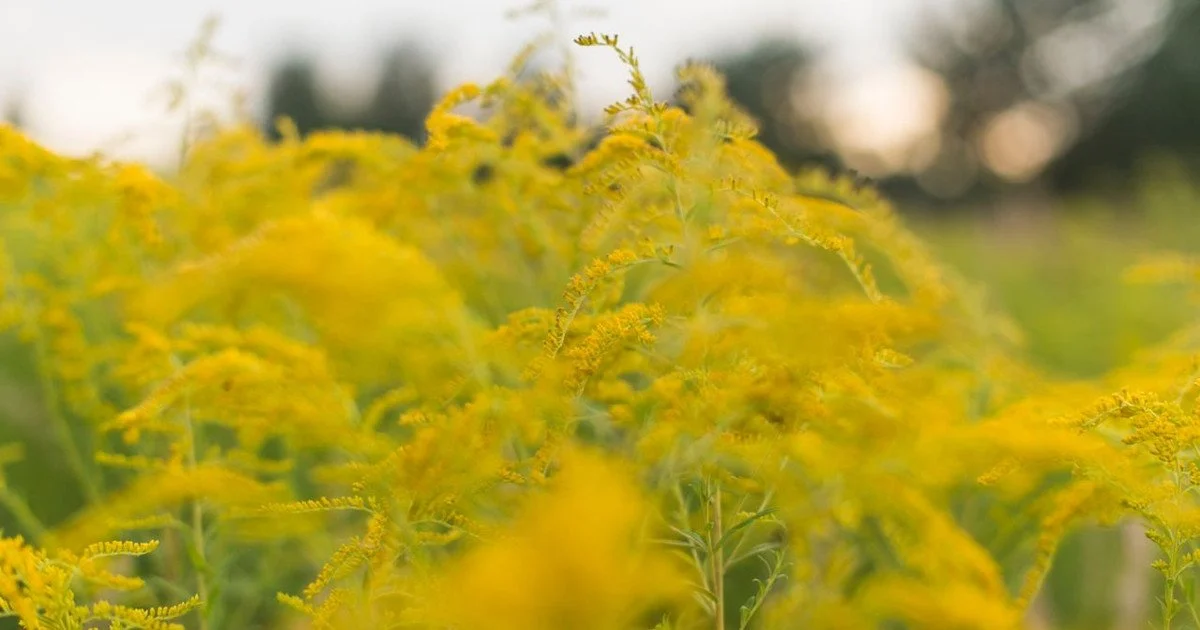
Ragweed / © pexels.com
Ragweed allergy intensifies when its pollen enters the air. Therefore, preparing for the season is not about self-medication, but about observing symptoms, minimizing contact with pollen, and timely consultation with a doctor. The ragweed season in Ukraine often occurs in August-September, but the exact period depends on the locality and weather. So, pay attention to local pollen level reports and your own observations from previous years.
TSN.ua shares effective tips.
How to tell if symptoms might be related to ragweed
Typical signs of seasonal allergic rhinitis include clear nasal discharge, nasal congestion, sneezing fits, itching in the nose, eyes, ears, or mouth, redness, and watery eyes. Fatigue and sleep problems may also occur.
If such symptoms appear every year in late summer, it can be a clue, but not a definitive diagnosis. Similar manifestations have various causes, so an allergy should be confirmed with a doctor, not just based on a list of signs.
For people with asthma, ragweed pollen can trigger coughing, wheezing, shortness of breath, or chest tightness. This is a reason to monitor your condition very carefully and not postpone medical consultation.
What to do before the season begins
1–2 weeks before the symptoms usually start in your area, you should:
-
note down when and under what circumstances symptoms appeared last year;
-
discuss a plan for the season with your family doctor or allergist;
-
check if you have previously prescribed medications at home and if their expiration dates have passed;
-
find out where to track local pollen counts;
-
think in advance about how to ventilate your home, dry laundry, and return home after walks.
Medications, dosages, and the timing of treatment should be determined by a medical professional. Do not start new medications on your own just because they helped someone last year.
For some individuals, a doctor may discuss allergen-specific immunotherapy. This is a separate medical decision, not a quick home remedy: for example, sublingual tablets for ragweed allergy are used for specific indications, and the first dose of certain medications is taken in the doctor’s office.
How to reduce contact with ragweed pollen
When pollen counts are high, spend less time outdoors if possible and keep windows closed. This is especially important if you already know that prolonged outdoor exposure worsens your symptoms.
After returning home, simple household habits can help:
-
remove shoes and outerwear near the entrance;
-
do not go to sleep in the clothes you wore outside;
-
take a shower and wash your hair after extended outdoor stays;
-
do not dry clothes and bedding outdoors during periods of active pollen dispersal;
-
wipe the paws of pets that walk outside;
-
wear sunglasses if pollen irritates your eyes.
Do not automatically exclude bananas, melons, cucumbers, zucchini, or other foods from your diet solely due to ragweed allergy. Pollen can be associated with oral allergy syndrome, but dietary restrictions are only necessary after discussing a specific reaction with a doctor.
When not to delay seeking medical attention
Make an appointment with your family doctor or allergist if symptoms recur, interfere with sleep and work, or have appeared for the first time. The doctor can assess your symptom history, conduct an examination, and prescribe allergy testing if necessary.
Wheezing, shortness of breath, chest pain or tightness, and poor asthma control require special attention. In case of a sudden worsening of breathing, do not wait for the end of the season and seek emergency medical care.
Comments Sort: New Old Popular Send