

Certain popular garden plants can be toxic to dogs. Foxglove, oleander, and wisteria are particularly dangerous.
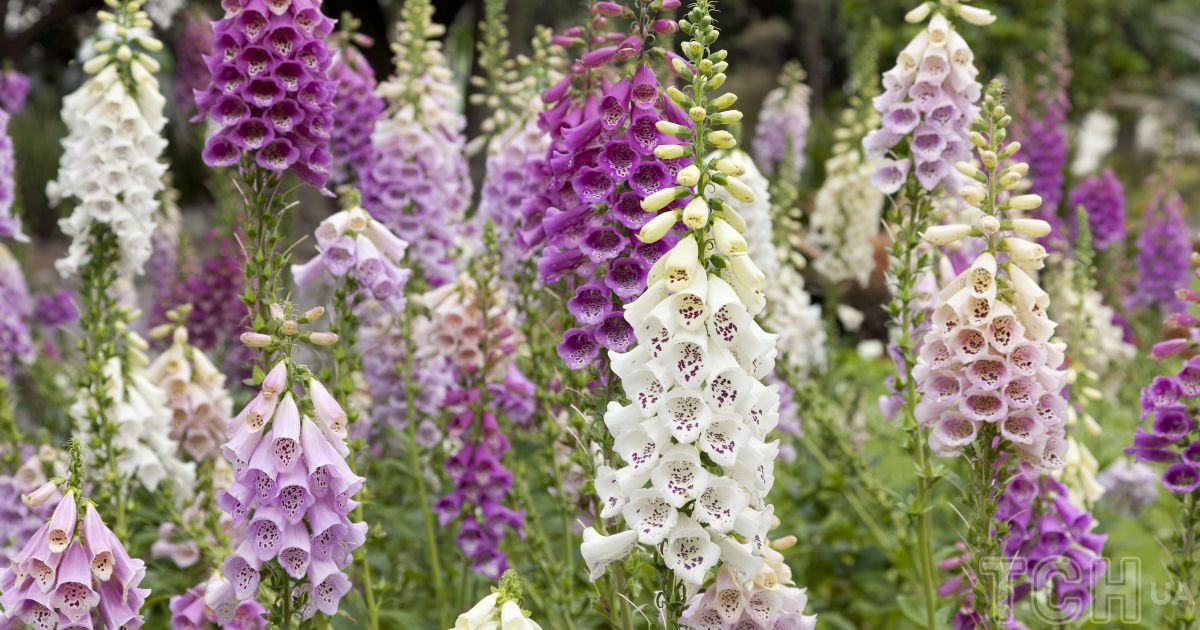
Foxglove / © Credits
Brightly colored flowers in the garden can pose a hidden threat to pets. Foxglove, oleander, and wisteria contain toxic substances, and ingesting them can cause severe poisoning in dogs.
This was reported by House Beautiful, citing home safety expert Neil McKenzie.
Foxglove
Foxglove often adorns gardens with its tall stems and vibrant flowers, but it is toxic to dogs. All parts of the plant are dangerous—leaves, flowers, and even the water in a vase where cut stems have been placed.
If a dog eats foxglove, it may experience vomiting and heart rhythm disturbances, and in severe cases, collapse. As a safer alternative, the expert recommends choosing roses.
Oleander
Another hazardous plant is oleander, popular for its evergreen foliage and colorful blooms. Its toxic substances can affect the animal’s nervous system and heart.
Potential signs of poisoning include excessive salivation, tremors, vomiting, and difficulty breathing. In such cases, the dog requires immediate veterinary attention. Instead of oleander, consider planting camellias or sunflowers in your garden, which are considered safer for dogs.
Wisteria
Wisteria is easily recognizable by its cascades of purple flowers, often used to decorate walls, arches, and pergolas. However, its seeds and seed pods contain toxic compounds.
Ingesting them can cause repeated vomiting, diarrhea, and lethargy in dogs. Climbing roses or star jasmine can be alternatives to wisteria.
Dog owners are advised to check plants before planting them in their gardens against verified lists of toxic species. If an animal has ingested part of a potentially dangerous plant, contact a veterinarian immediately. If possible, bring a sample of the plant, as poisoning symptoms may not appear right away.
We previously reported that heat and high humidity can trigger acute moist dermatitis in dogs. A veterinarian explained what skin changes should alert owners.
Related topics
Dog Garden Gardener’s tips Tips Comments Sort: New Old Popular Send